
BMB - Navigating Crypto- A Beginner's Guide to Sending and Receiving Digital Assets
Sending transactions in the world of cryptocurrency is designed to be straightforward and seamless, allowing for quick and efficient transfers of digital assets. Unlike traditional
Sending transactions in the world of cryptocurrency is designed to be straightforward and seamless, allowing for quick and efficient transfers of digital assets. Unlike traditional banking systems, where transactions can sometimes be slow and cumbersome, crypto transactions can be completed within minutes, offering unparalleled convenience. This ease of use is one of the key attractions of cryptocurrency, making it accessible to both seasoned investors and newcomers alike.
However, it's crucial to approach this simplicity with care. In the decentralized world of crypto, transactions are irreversible—once a transfer is made, there is no central authority to reverse it. This means that accuracy and attention to detail are paramount when sending digital assets. A small mistake, such as entering the wrong address, can result in the permanent loss of funds. Therefore, understanding the basics and following best practices is essential to ensure that your transactions are not only easy and seamless but also secure. In this guide, we'll walk you through the process of sending transactions in crypto across different chains, highlighting key steps and precautions to help you transact with confidence.
Before every transfer
Confirm the chain, wallet address, and fee settings before pressing confirm. Crypto transactions are irreversible.
Quick Transaction Workflow
What are transactions used for?
Cryptocurrency transactions are incredibly versatile and can be used for a wide range of purposes. A common use is for making payments, whether it's purchasing goods online, paying for services, or settling debts with friends. Cryptocurrencies offer quick, low-cost transactions that can be made from anywhere in the world, providing a convenient and efficient alternative to traditional payment methods. Additionally, they offer enhanced privacy and security, which is appealing to many users.
Another important use for crypto transactions is transferring assets, such as moving coins from an exchange to a personal wallet. This process, often called "withdrawal" or "off-exchange transfer," is essential for maintaining control over your assets and enhancing security. By holding your cryptocurrencies in a personal wallet, you have full custody and protection from potential exchange vulnerabilities. Moreover, crypto transactions are also used for investment purposes, like sending funds to decentralized finance (DeFi) platforms for earning interest or staking. As the crypto space continues to evolve, the applications for transactions are expanding, providing even more opportunities for users.
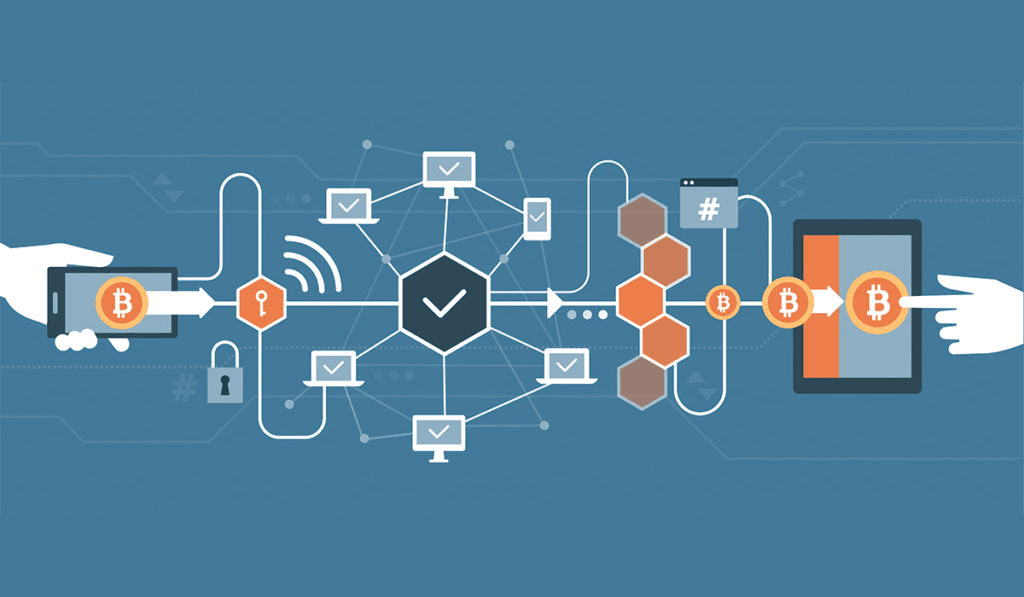
What are Crypto Chains?
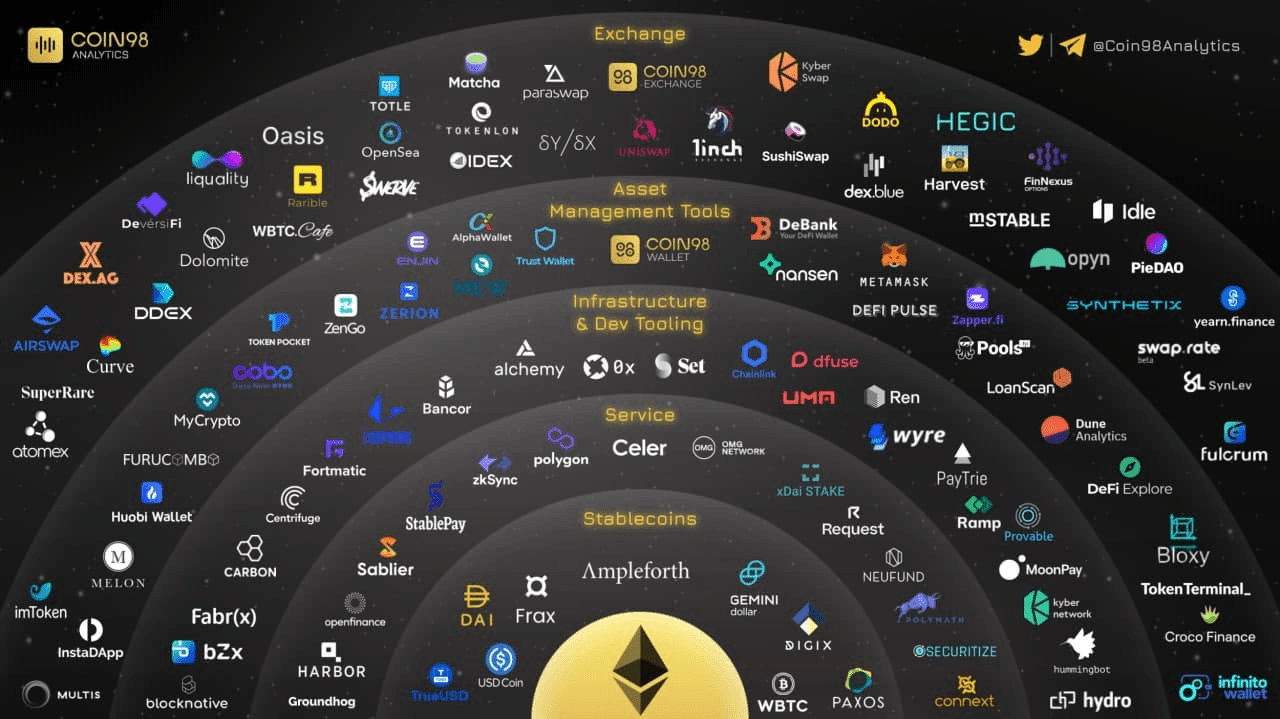
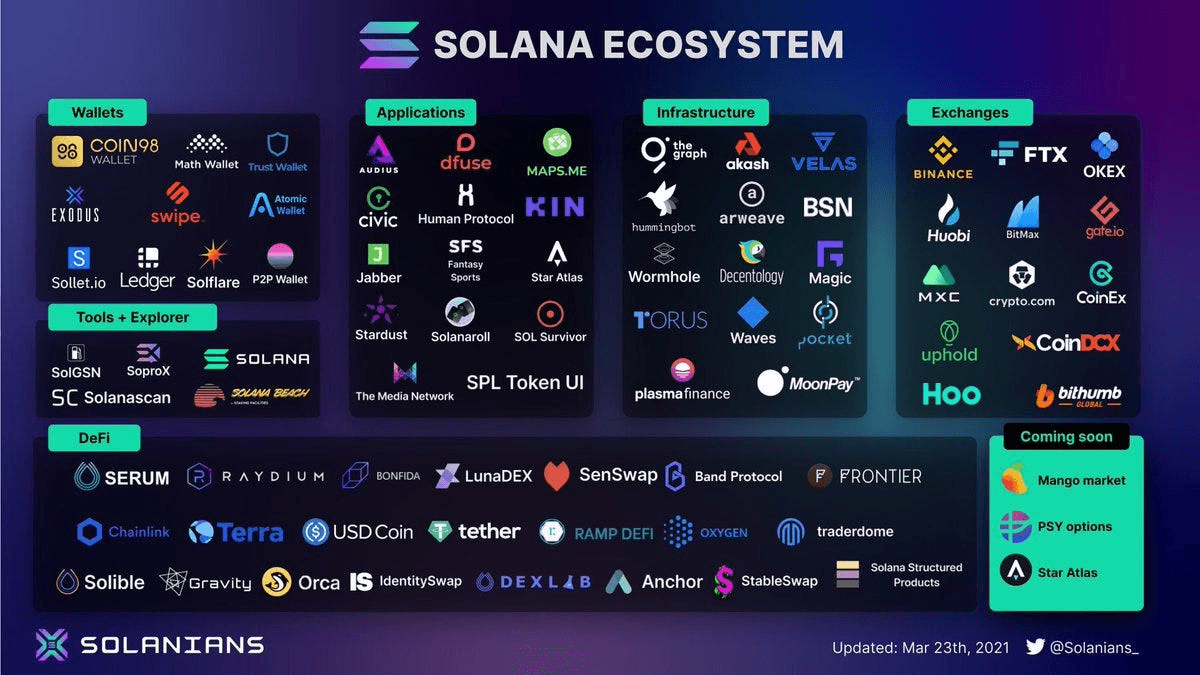
Cryptocurrency chains, or blockchain networks, are the underlying technology that powers digital currencies. They function as decentralized digital ledgers, recording all transactions across a network in a secure and transparent manner. Each transaction is stored in a "block," which is linked to the previous one, forming a continuous chain. This setup ensures that once a transaction is recorded, it can't be altered, providing a high level of security and trust. Well-known blockchains include Bitcoin, Ethereum, Solana, and Base, each offering different features and capabilities.
It's important to be aware of which blockchain network to use for transactions because each one has its own strengths and trade-offs. For instance, Ethereum is popular for its smart contract functionality but can have higher fees and slower processing times, especially during busy periods. In contrast, networks like Solana and Base are known for their faster transaction speeds and lower costs, which can be more practical for frequent or smaller transactions. Additionally, the level of security and decentralization can vary between networks, affecting the overall safety and reliability of your transactions. Understanding these differences helps you choose the right platform for your specific needs, ensuring your transactions are efficient and secure.
Sending Transactions
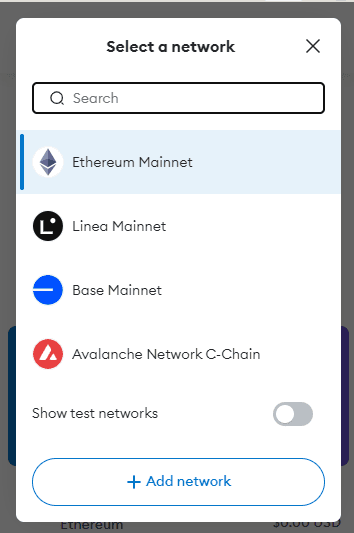
To send a transaction on blockchain, there are a few prerequisites. First and foremost, you need to make sure you have the tokens to send, as well as enough extra to cover the fees that come with transacting and interacting with the blockchain. Next, you need to have the recipient wallet address, as well as the chain that the transaction will be conducted on. On many software wallets, such as MetaMask or Phantom, you can change the blockchain that you will be interacting with.
Step 1: Get Necessary Information
The first step in on-chain transactions is getting the necessary information from the recipient. This information includes the digital asset and amount you're sending, including the blockchain network you'll be using, and the wallet address you'll be sending the assets to.
That could look something like this:
- 0.5 Ethereum → The asset and amount
- ERC-20 → The blockchain network
- 0xC8BfE51196d77FD3AaDa7035C03994E2f03754Df → The wallet address
Step 2: Set Up the Transaction
Next is to prepare the transaction. If you are in a wallet such as MetaMask, you will click the icon that says "Send" under your wallet value.
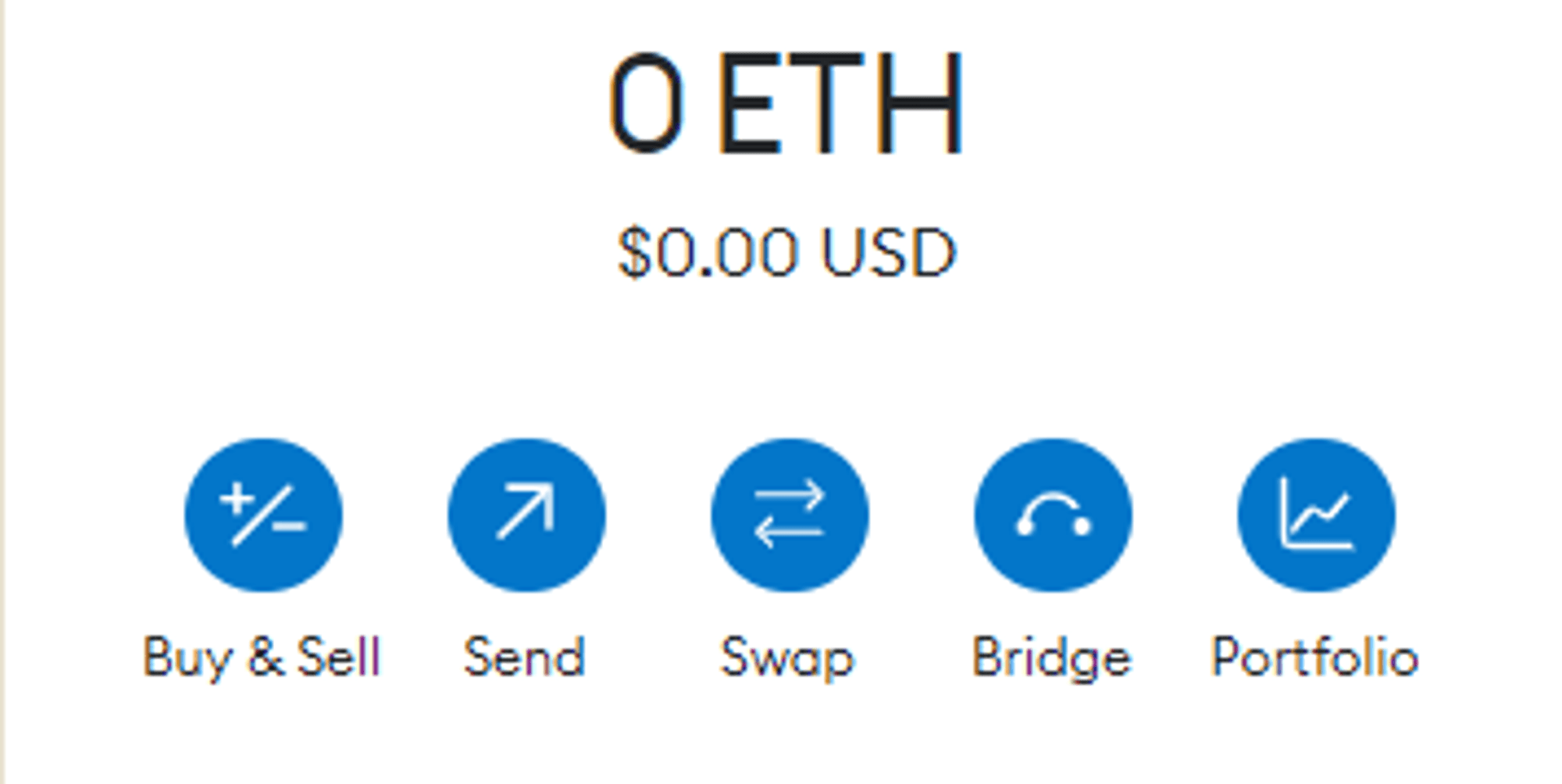
Once you click send you will have to input the recipient's address and the amount of the asset you're looking to send. Make sure to double check both before pressing "Next" and moving on to the next step.
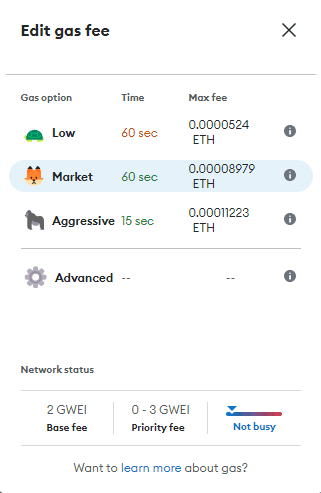
Step 3: Choose Gas Fees
Now that you input the address and the amount of asset you'd like to send, it's time to choose the gas fees. Think of this as paying for shipping. The faster you want the parcel (in this case the asset) to get to the recipient, the more you will pay for shipping (or in this case, gas).
Note: Gas fees do not change with the amount you are sending, and are completely dependent on the current network congestion. This means you will have the same gas fees whether you send 0.001 ETH or 100 ETH.
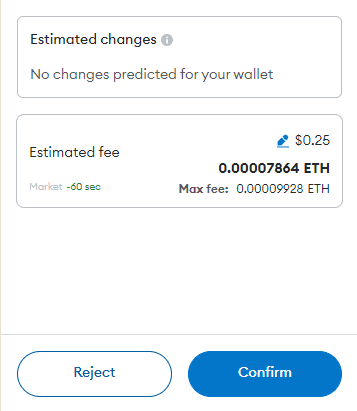
Step 4: Confirm the Transaction
Once you choose the Gas, you will have another chance to go over all the information. Check over all the information, and press confirm. Voilà! You've sent the digital asset.
It is important to note that during busy times, and depending on the network, these transactions can take quite a while and will have higher gas fees. If you are not in a rush to complete the transfer, checking back until the network has less congestion will allow for a much cheaper and quicker transaction.
Key Tips
-
Withdrawing Crypto From an Exchange When withdrawing cryptocurrency from a centralized exchange, there are a few considerations you should keep in mind. First thing you should look at, is making sure that you are sending the assets over the right chain. If you are sending to another centralized exchange, you can simply send the assets over the cheapest network that is supported by both exchanges. On the other hand, if you are withdrawing into a hot/cold wallet, such as MetaMask, make sure that you are sending the assets over the chain that you will be using. For example, you can send Ethereum to MetaMask over the Ethereum network, or over a number of other networks, such as the Base blockchain.

 In this case, even though they are both Ethereum and will hold the same value, these two coins are not the same. The top is Ethereum on ERC-20. This ETH can only be used to interact and transfer with other wallets/decentralized applications on ERC-20. On the bottom, we have ETH on the Base network. Just like the ETH on ERC-20, the Base ETH can only be used to interact with exchanges or wallets that are on the Base blockchain.
 -
Monitor Your Transaction When a transaction is initiated, it can take a while to be completed and go through depending on the network and congestion (blockchain activity). If you are waiting for the transaction to be completed, you can watch the process on the blockchain explorer pages.
- Ethereum - https://etherscan.io/
- Solana - https://solscan.io/
- Base - https://base.blockscout.com/
These are examples of explorers where you can track all wallets and all transactions that occur on the respective chains. Here you can also monitor transfers that are not yet completed, and see the status and expected time until completion.
Conclusion: Leveraging Blockchain Knowledge
Sending cryptocurrency transactions is a process that demands careful attention to detail to ensure both security and accuracy. One of the most important steps is choosing the correct blockchain network, as each has its own set of features and limitations. For instance, while Ethereum is widely used for its smart contracts, it can have higher fees and slower transaction times compared to other networks like Solana or Base. Selecting the appropriate chain based on your needs can save you money and time, and also impact the security of your transactions.
Moreover, always double-check the recipient's address before sending any funds. Transactions are irreversible, meaning that if you send funds to the wrong address, they cannot be recovered. It's also important to be aware of transaction fees, which can vary significantly depending on network congestion and the blockchain you're using. By taking the time to verify all details and understanding the nuances of different networks, you can protect your assets and ensure a smooth transaction experience. Remember, a little extra caution can go a long way in the world of crypto transactions.