
BMB - What is Blockchain? And Why it Matters
Before we delve into the intricacies of blockchain technology, what exactly is blockchain?
Before we delve into the intricacies of blockchain technology, what exactly is blockchain?
At its core, blockchain is a decentralized ledger technology that securely records transactions across a network of computers. This technology ensures transparency, security, and immutability, meaning once data is recorded, it cannot be altered. Initially designed for the cryptocurrency Bitcoin, blockchain has evolved far beyond digital currencies, offering applications across various industries.
Blockchain technology is pivotal in the digital age. It is revolutionizing how we store, share, and secure data, impacting everything from finance and healthcare to supply chain management and voting systems.
Now, let's break down the key aspects of blockchain and explore why it's significant.
Decentralization and Security
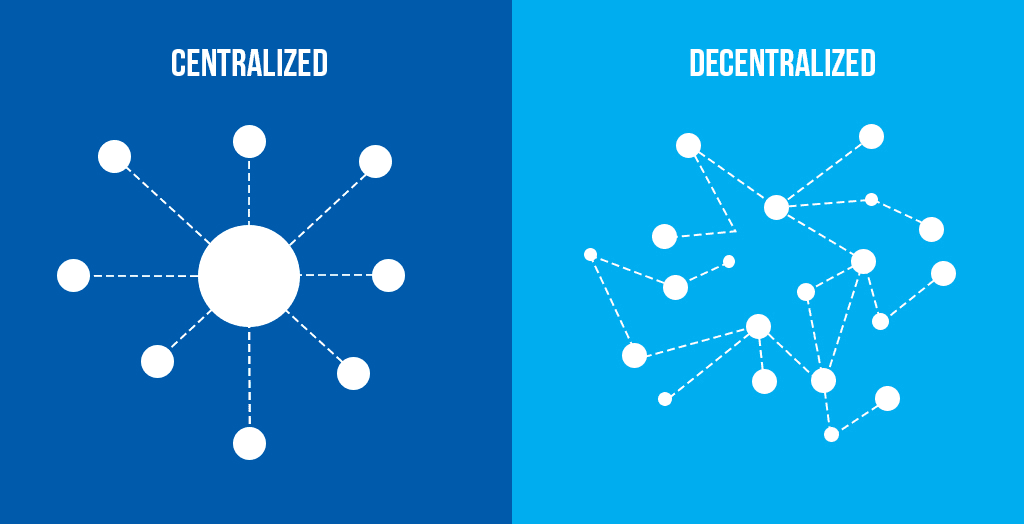
Blockchain operates on a decentralized network of nodes (computers) that validate and record transactions. Unlike traditional centralized systems where a single entity has control, blockchain's decentralized nature ensures that no single point of failure exists. This enhances security because altering data on a blockchain requires the consensus of the majority of the network.
Why it matters:
- Increased Security: Decentralization makes it incredibly difficult for hackers to compromise the network.
- Trustless Environment: Transactions and data integrity do not rely on trust in a single entity, reducing the risk of fraud and corruption.
Transparency and Immutability
Every transaction on a blockchain is recorded in a transparent and immutable manner. This means anyone on the network can view the transaction history, and once data is written, it cannot be changed or deleted. This property is crucial for maintaining accountability and trust.
Why it matters:
- Enhanced Trust: Transparent transactions build trust among participants, especially in industries like finance and supply chain where verification is key.
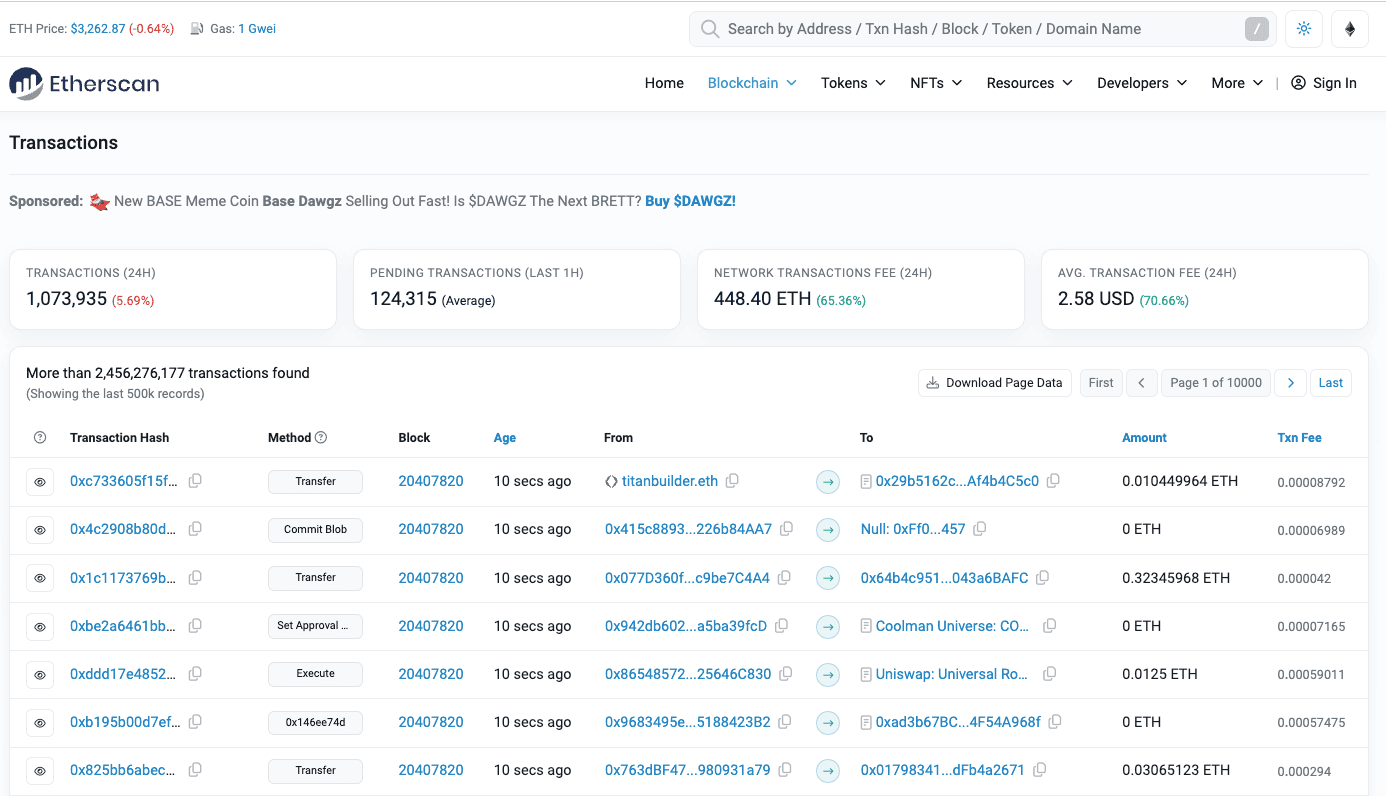
- Auditability: The immutable nature of blockchain provides a verifiable audit trail, crucial for compliance and regulatory purposes. An example of this is Etherscan. Through this platform, you can view all transactions that occur across the Ethereum network.
Efficiency and Cost Reduction
Blockchain technology streamlines processes by eliminating intermediaries, reducing the need for third-party verification, and enabling faster transaction processing. Smart contracts, self-executing contracts with the terms of the agreement directly written into code, further automate and expedite transactions.
Why it matters:
- Cost Savings: By removing intermediaries, businesses can significantly cut costs associated with transaction fees and administrative processes.
- Speed: Transactions are processed more quickly, leading to increased efficiency in operations.
Applications Across Industries
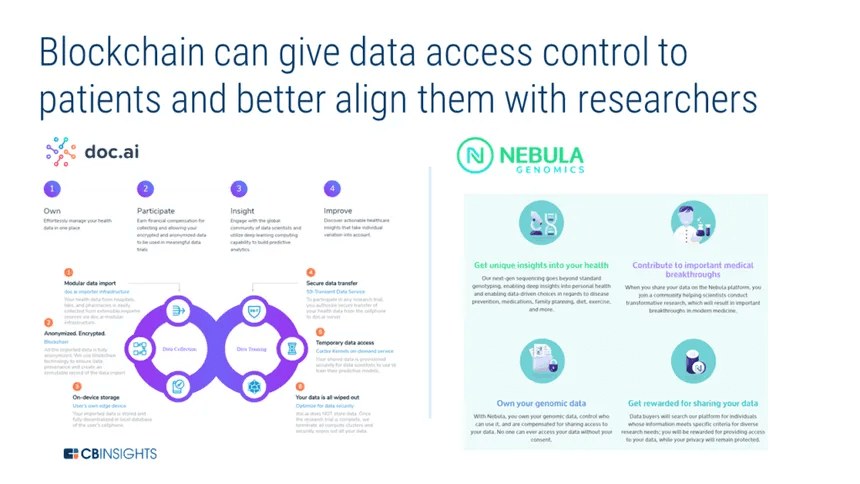
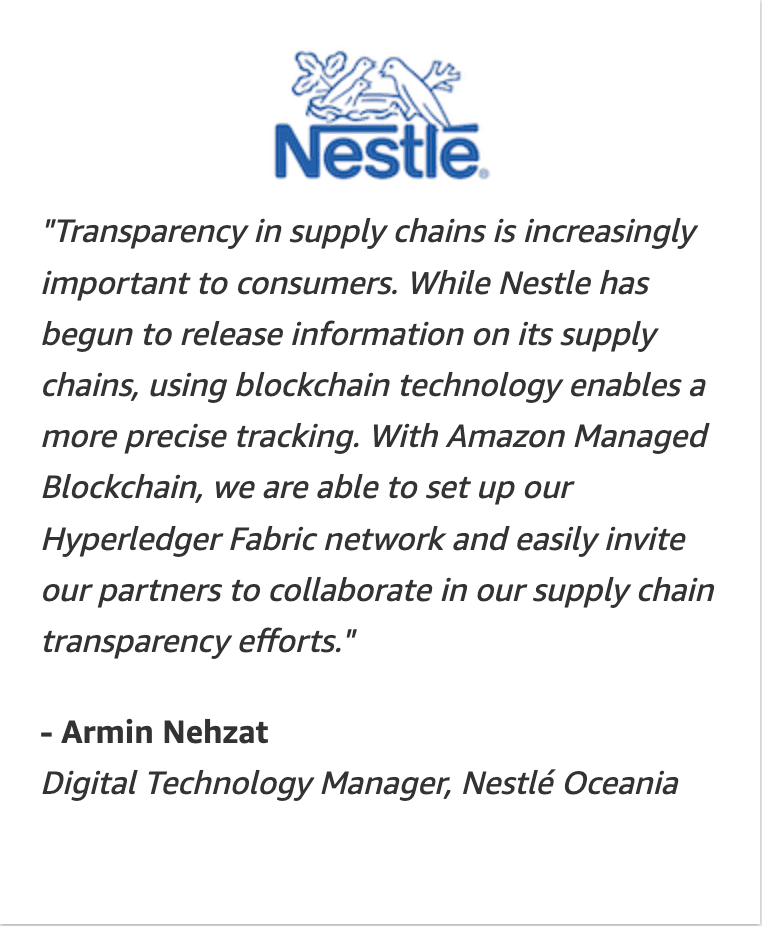
Blockchain's versatility allows it to be applied across various sectors. In finance, it powers cryptocurrencies and decentralized finance (DeFi) platforms. In supply chain, it provides end-to-end visibility and traceability. In healthcare, it secures patient records and ensures data privacy.
Why it matters:
- Financial Inclusion: Blockchain enables access to financial services for unbanked populations through cryptocurrencies and DeFi.
- Enhanced Traceability: In supply chains, blockchain ensures product authenticity and reduces fraud.
- Data Security: In healthcare, it ensures secure and private patient data management.
Conclusion: Understanding Blockchain's Impact
Understanding blockchain is not just about grasping the technology but also about recognizing its transformative potential across various sectors. By learning about blockchain, individuals and businesses can better understand the innovations shaping modern digital infrastructure and data management.
Crypto Fundamentals
Everything you need to know about Bitcoin, blockchain, wallets, exchanges, and getting started with crypto.
BMB - Navigating Crypto- A Beginner's Guide to Sending and Receiving Digital Assets
Sending transactions in the world of cryptocurrency is designed to be straightforward and seamless, allowing for quick and efficient transfers of digital assets. Unlike traditional